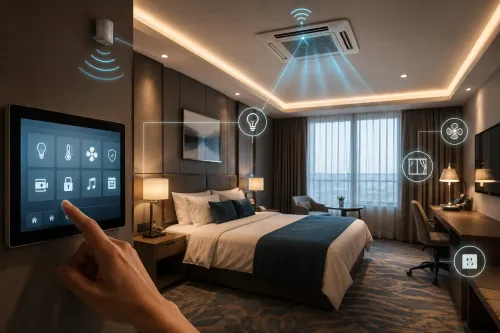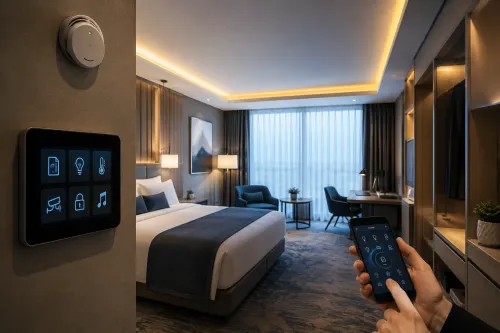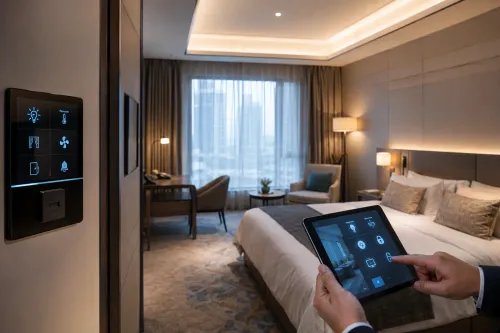

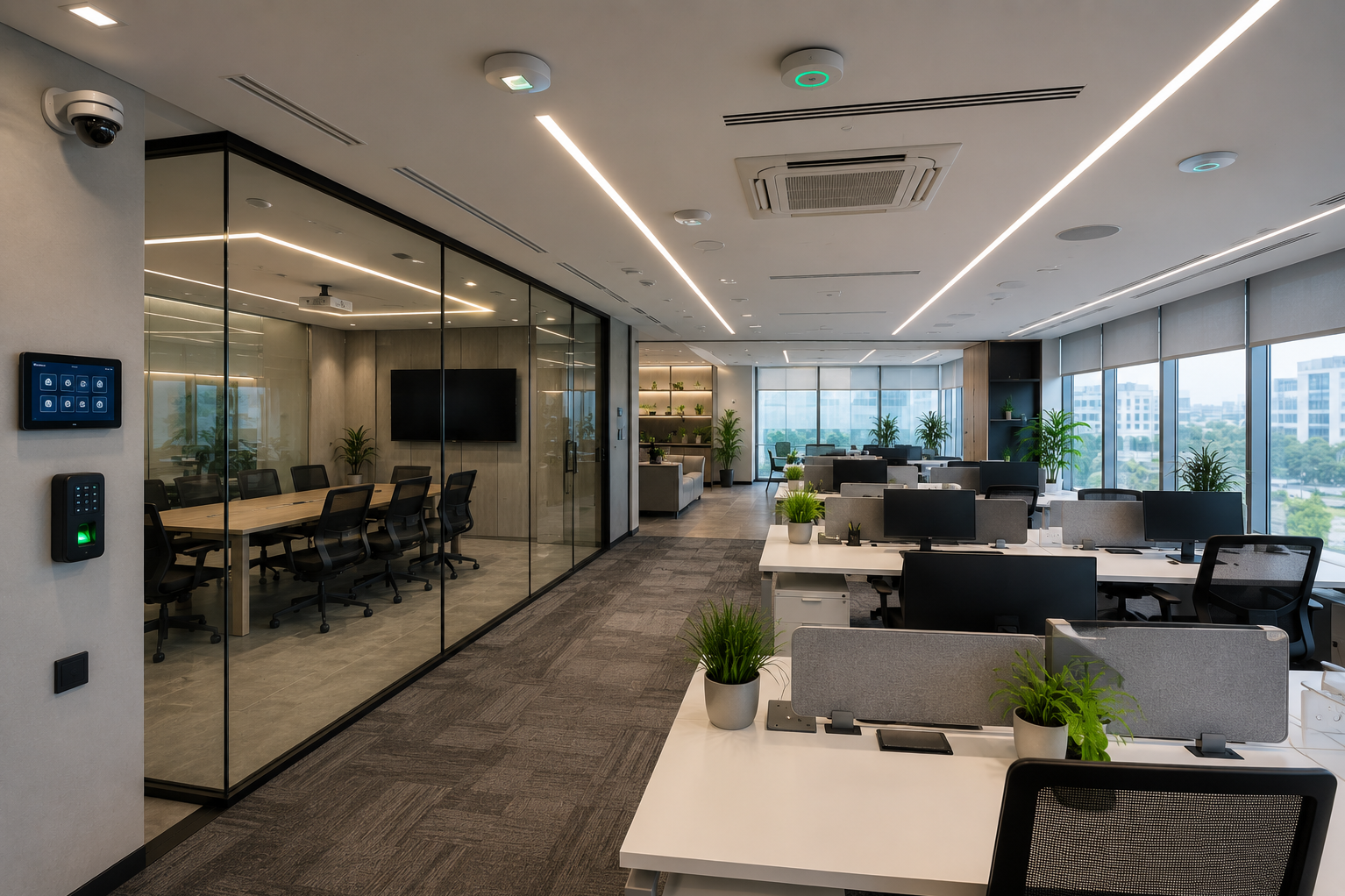
Modern workplaces are evolving rapidly. Businesses are no longer focused only on attractive office interiors—they also want environments that improve productivity, simplify daily operations, and make better use of technology. This is where office automation systems play a significant role.
From startups and corporate offices to co-working spaces and commercial buildings, organisations in Greater Noida are adopting automation to streamline everyday tasks. Whether it is managing lighting, controlling access, monitoring energy consumption, or improving meeting room experiences, automation helps create a workplace that is more efficient and easier to manage.
If you're planning a new office or upgrading an existing workspace, understanding the benefits of office automation can help you make informed decisions.
What Are Office Automation Systems?
Office automation refers to the integration of smart technologies that automate routine workplace functions. Instead of managing different systems independently, multiple office operations are connected through a central platform.
These systems may include:
- Smart lighting controls
- Climate control systems
- Access control and smart door locks
- Visitor management
- CCTV surveillance
- Meeting room automation
- Energy monitoring
- Motorised blinds
- Audio-visual controls
- Occupancy sensors
The objective is to improve operational efficiency while creating a comfortable working environment.
Why Businesses Are Investing in Smart Offices
Today's workplaces need to support both employees and business operations. Automation reduces repetitive manual tasks, allowing teams to focus on more productive work.
Some of the key benefits include:
- Improved workplace efficiency
- Better energy management
- Enhanced employee comfort
- Stronger office security
- Simplified facility management
- Lower operational costs
- Easier monitoring of office infrastructure
As businesses continue to grow, automation also provides the flexibility to expand without significantly increasing management complexity.
Everyday Office Tasks That Can Be Automated
Many office activities follow predictable routines throughout the day. Automation removes the need for constant manual intervention.
For example:
At the beginning of the workday, office lights can switch on automatically, air conditioning can adjust to a comfortable temperature, meeting room displays can activate, and access control systems can prepare for employee entry.
At closing time, the system can automatically:
- Turn off unnecessary lighting.
- Reduce air conditioning usage.
- Activate security systems.
- Lock designated access points.
- Monitor after-hours movement.
These automated routines improve consistency while reducing the chances of human error.
Better Energy Management for Commercial Spaces
Energy costs represent a significant expense for many businesses.
Office automation helps organisations monitor and optimise electricity usage without affecting employee comfort.
Common energy-saving features include:
- Occupancy-based lighting.
- Automated HVAC scheduling.
- Daylight-responsive lighting controls.
- Timed operation of common area lighting.
- Energy usage reports for facility managers.
Rather than relying on manual operation, offices use data-driven automation to reduce unnecessary consumption.
Over time, these improvements contribute to lower operating costs.
Improving Workplace Security
Security remains a top priority for every commercial facility.
Office automation integrates multiple security systems into one platform, allowing businesses to monitor and control access more effectively.
Features may include:
- Smart access cards.
- Biometric entry systems.
- Visitor management.
- CCTV integration.
- Motion detection.
- Remote monitoring.
- Emergency alerts.
Facility managers gain better visibility over office activity while reducing security risks.
Automation Creates a Better Employee Experience
A comfortable workplace directly influences employee satisfaction and productivity.
Automation helps maintain consistent indoor conditions by managing lighting, temperature, and meeting room availability automatically.
Employees spend less time adjusting equipment or searching for available meeting spaces, allowing them to focus on their work.
Even small improvements, such as automatic lighting or climate control, contribute to a more pleasant working environment.
Is Office Automation Suitable Only for Large Companies?
Not at all.
Small businesses and growing organisations often benefit just as much from automation because they need efficient operations with limited administrative resources.
Automation can be introduced gradually.
Many companies begin with:
- Smart lighting.
- Access control.
- CCTV integration.
- Conference room automation.
- HVAC management.
As the business expands, additional technologies can be incorporated into the same system without major disruption.
This makes office automation a scalable investment rather than a one-time project.
What Should Businesses Consider Before Installation?
Choosing the right office automation system involves careful planning.
Before implementation, organisations should evaluate:
- Current office infrastructure.
- Future expansion plans.
- Number of employees.
- Security requirements.
- Integration with existing IT systems.
- Ease of daily operation.
- Long-term maintenance and technical support.
A professionally planned system ensures that automation supports business objectives rather than creating unnecessary complexity.
The Importance of Working with an Experienced Automation Partner
Every office has unique operational requirements. A corporate headquarters, co-working facility, design studio, and healthcare office all require different automation strategies.
Companies such as Domotics Automation Pvt. Ltd. design office automation systems that integrate lighting, climate control, access management, security, and workplace technologies into one connected platform. Through sales.domotics.co.in, businesses can explore solutions tailored to different commercial environments and understand how automation can be implemented according to operational needs.
As commercial development continues to accelerate across Greater Noida, office automation is becoming an essential component of modern workplace design. Businesses that invest in intelligent automation today are better positioned to improve efficiency, reduce operational costs, enhance employee experiences, and create workspaces that are ready for the future.