
Running a hotel involves much more than offering comfortable rooms. Staff must manage guest requests, room availability, energy consumption, security, housekeeping, and maintenance while ensuring every visitor enjoys a smooth experience. As guest expectations continue to evolve, many hospitality businesses are investing in hotel automation systems to simplify operations and improve service quality.
Hotels across New Delhi are increasingly adopting automation to streamline routine tasks while allowing staff to focus on personalized guest interactions. Instead of replacing employees, automation supports them by reducing repetitive work and improving operational efficiency.
What Is a Hotel Automation System?
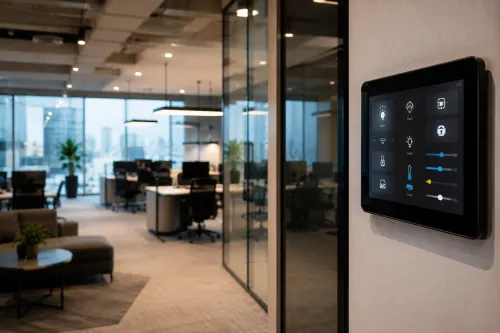
A hotel automation system combines connected devices, sensors, software, and centralized controls that manage multiple hotel functions through a single platform. These systems can automate lighting, climate control, access management, room settings, housekeeping notifications, and energy monitoring.
The objective is to create a smarter property that operates efficiently while enhancing guest comfort throughout their stay.
Common Areas Where Automation Is Used
Modern hotels implement automation across several departments.
These include:
- Guest room controls
- Lighting management
- Air conditioning automation
- Smart door access
- Housekeeping coordination
- Energy monitoring
- Security surveillance
- Maintenance alerts
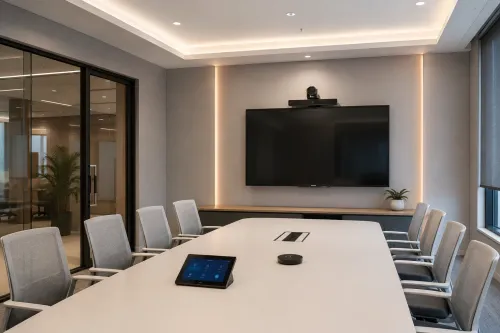
- Conference room management
- Reception support
Each department benefits from better communication and faster response times.
Better Guest Comfort
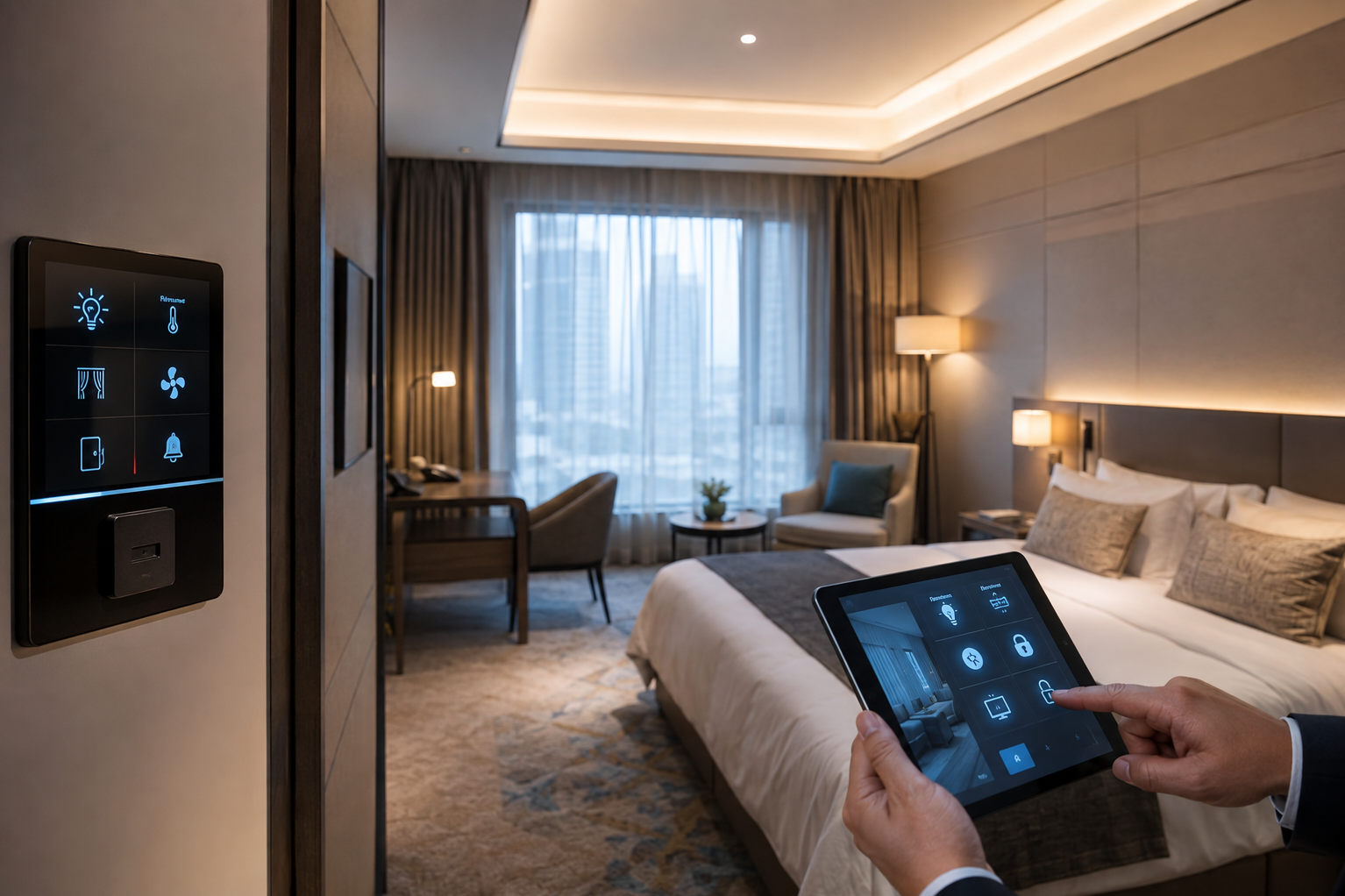
Guests appreciate convenience. A room that automatically adjusts lighting and temperature according to occupancy creates a comfortable environment without requiring manual adjustments.
Automation can allow guests to:
- Control room lighting
- Adjust air conditioning
- Operate curtains
- Activate privacy settings
- Manage entertainment systems
- Request housekeeping digitally
These features contribute to a more seamless and enjoyable stay.
Improved Operational Efficiency
Hotel staff spend significant time handling repetitive tasks. Automation reduces manual processes and minimizes delays.
Examples include:
- Automatic room status updates
- Faster housekeeping coordination
- Instant maintenance notifications
- Real-time occupancy information
- Centralized room monitoring
This improves communication between departments and helps management allocate resources more effectively.
Energy Management Benefits
Hotels consume large amounts of electricity every day. Guest rooms often remain air-conditioned even when vacant, while lights may stay on unnecessarily.
Hotel automation systems help reduce wastage by:
- Detecting room occupancy
- Switching off unused lights
- Adjusting HVAC settings automatically
- Monitoring energy usage
- Creating scheduled operations
Lower energy consumption can reduce operating costs while supporting sustainability goals.
Enhanced Security
Guest safety remains a top priority for every hotel.
Automation strengthens security through:
- Smart door locks
- Digital access records
- CCTV integration
- Emergency alerts
- Visitor access management
Managers gain better visibility across the property without depending entirely on manual supervision.
Faster Housekeeping Coordination
Housekeeping teams often rely on phone calls or manual updates. Automation enables room status to change instantly after guest check-out or cleaning completion.
Benefits include:
- Reduced waiting time
- Better room allocation
- Faster turnaround
- Improved communication
This allows front desk staff to provide quicker check-ins during busy periods.
Better Maintenance Planning
Unexpected equipment failures can affect guest satisfaction.
Automation systems monitor equipment performance and generate maintenance alerts before problems become serious.
Examples include:
- HVAC monitoring
- Water leakage detection
- Electrical fault notifications
- Equipment health tracking
Preventive maintenance reduces downtime and helps hotels avoid expensive emergency repairs.
Data Helps Better Decisions
Automation platforms generate valuable operational insights.
Hotel managers can monitor:
- Occupancy trends
- Energy consumption
- Guest preferences
- Equipment performance
- Staff response times
These reports support informed business decisions rather than relying on assumptions.
Suitable for Different Property Types
Hotel automation is no longer limited to luxury hotels.
It can benefit:
- Boutique hotels
- Business hotels
- Resorts
- Service apartments
- Heritage properties
- Premium guest houses
Systems can be customized according to property size and operational requirements.
Planning an Automation Upgrade
Hotels considering automation should first evaluate:
- Existing infrastructure
- Number of rooms
- Future expansion plans
- Guest expectations
- Integration requirements
- Energy-saving objectives
Choosing scalable technology makes future upgrades easier.
Supporting Hospitality Businesses in New Delhi
The hospitality industry in New Delhi continues to modernize as guest expectations increase. Properties serving business travellers, tourists, and international visitors are increasingly investing in connected technologies that simplify operations while improving service consistency.
Companies such as Domotics Automation Pvt Ltd work with hospitality businesses to implement automation solutions that integrate multiple hotel functions into a centralized system. Evaluating compatibility, scalability, and operational requirements before installation helps ensure the technology delivers long-term value.
Hotels that adopt automation thoughtfully often benefit from improved efficiency, better resource utilization, and a more comfortable guest experience without compromising the personal service that remains central to hospitality.