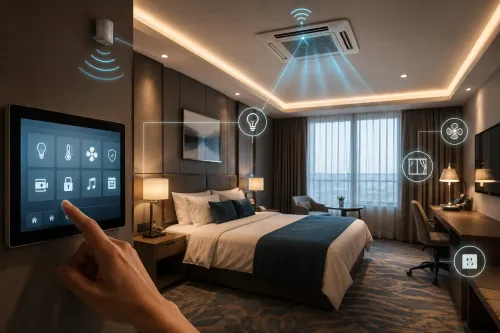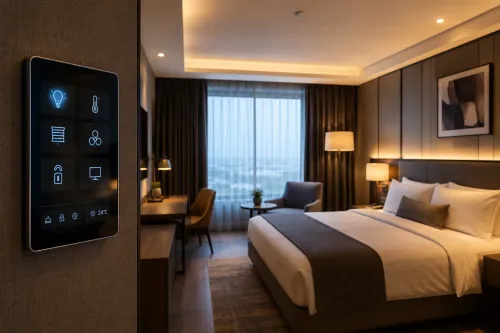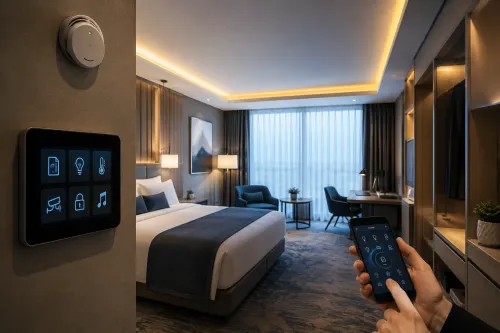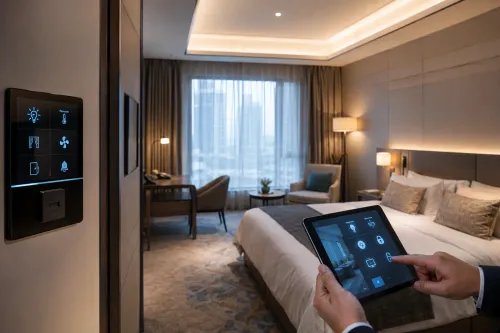

Managing operational expenses is a priority for every business, and electricity costs often account for a significant portion of monthly overheads. From lighting and air conditioning to meeting rooms and office equipment, commercial spaces consume energy throughout the day, sometimes even when areas are unoccupied. This is where energy-saving office automation offers a practical solution.
Businesses across Noida are increasingly adopting intelligent automation systems to optimise energy usage without compromising employee comfort or workplace productivity. Rather than relying on manual controls, these systems use sensors, schedules, and smart technologies to ensure energy is consumed only when and where it is needed.
If your organisation is looking to improve operational efficiency while supporting sustainability goals, understanding how office automation contributes to energy savings is a good place to start.
What Is Energy-Saving Office Automation?
Energy-saving office automation involves using connected technologies to monitor, control, and optimise the energy consumption of commercial buildings.
Instead of operating lights, air conditioning, and electrical equipment manually, the system automates these functions based on occupancy, schedules, daylight availability, or predefined business hours.
Typical automation features include:
- Intelligent lighting control
- Occupancy sensors
- Automated HVAC management
- Smart power scheduling
- Energy monitoring dashboards
- Daylight-responsive lighting
- Automated shutdown of unused equipment
Together, these technologies help businesses reduce unnecessary electricity usage while maintaining a comfortable working environment.
Where Offices Commonly Waste Energy
Many workplaces consume more electricity than necessary because everyday operations rely heavily on manual intervention.
Common examples include:
- Lights remaining on after employees leave.
- Air conditioners running in empty meeting rooms.
- Equipment left powered on overnight.
- Common areas illuminated even when unused.
- HVAC systems operating during non-working hours.
While each instance may seem minor, the cumulative impact over months and years can significantly increase operating expenses.
How Smart Automation Reduces Energy Consumption
Automation systems continuously monitor workplace activity and respond accordingly.
For example:
When employees enter an office area, lighting and climate control activate automatically.
If a meeting room remains vacant, the system keeps lighting and air conditioning switched off until the space is occupied.
At the end of the workday, predefined schedules ensure that unnecessary equipment powers down without requiring manual checks.
This intelligent approach ensures that energy is used only when it supports actual business activity.
Occupancy Sensors Make a Noticeable Difference
Occupancy sensors are among the most effective tools for reducing unnecessary electricity consumption.
These sensors detect movement or presence and automatically control connected systems.
They work particularly well in:
- Meeting rooms
- Washrooms
- Corridors
- Pantry areas
- Storage rooms
- Parking facilities
Instead of depending on employees to remember every switch, the building responds automatically.
Intelligent Lighting Improves Efficiency
Lighting accounts for a considerable portion of office energy usage.
Automation improves efficiency through features such as:
- Scheduled lighting based on office hours.
- Motion-controlled lighting in low-traffic areas.
- Daylight harvesting using natural sunlight.
- Zone-based lighting control.
- Remote monitoring of lighting systems.
Employees continue to enjoy well-lit workspaces while businesses avoid unnecessary electricity consumption.
Smarter HVAC Control Reduces Operating Costs
Heating, ventilation, and air conditioning systems are often the largest energy consumers in commercial buildings.
Office automation helps optimise HVAC performance by:
- Adjusting temperatures according to occupancy.
- Scheduling operation around working hours.
- Dividing cooling into separate zones.
- Preventing unnecessary operation after office hours.
- Monitoring system performance continuously.
Maintaining comfortable indoor temperatures while reducing waste becomes much easier through intelligent automation.
Monitoring Energy Usage Helps Better Decision-Making
One advantage of office automation is visibility.
Energy monitoring dashboards provide facility managers with valuable information about electricity consumption across different areas of the workplace.
Businesses can identify:
- High-consumption departments.
- Equipment using excessive power.
- Peak electricity usage periods.
- Opportunities for operational improvements.
- Long-term consumption trends.
These insights support informed decisions about future energy management strategies.
Is Energy Automation Suitable for Small Businesses?
Absolutely.
While large corporate offices often implement comprehensive automation systems, smaller businesses can also benefit by automating selected areas.
Many organisations begin with:
- Smart lighting.
- Occupancy sensors.
- HVAC scheduling.
- Meeting room automation.
- Energy monitoring.
Additional features can be integrated later as business requirements evolve.
This phased approach allows companies to improve efficiency without making a large initial investment.
Choosing the Right Automation Partner
Successful office automation depends on thoughtful planning rather than simply installing connected devices. Every commercial space has different operational requirements, occupancy patterns, and infrastructure considerations.
Companies such as Domotics Automation Pvt. Ltd. design intelligent office automation systems that integrate lighting, climate control, security, access management, and energy monitoring into one connected platform. Through sales.domotics.co.in, businesses can explore automation solutions that align with their workplace size, operational needs, and long-term growth plans.
As organisations continue modernising workplaces across Noida, energy-saving office automation is becoming an important strategy for reducing operational costs while supporting sustainability initiatives. A well-designed automation system not only helps businesses use electricity more efficiently but also creates a smarter, more comfortable, and future-ready workplace.