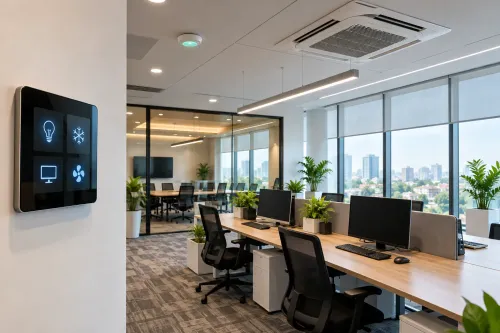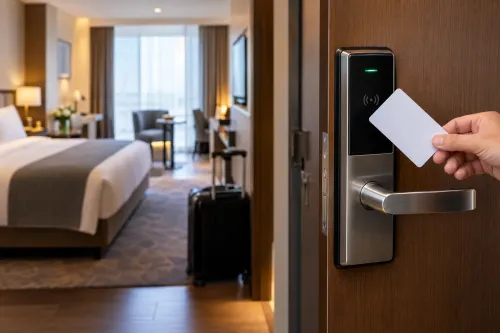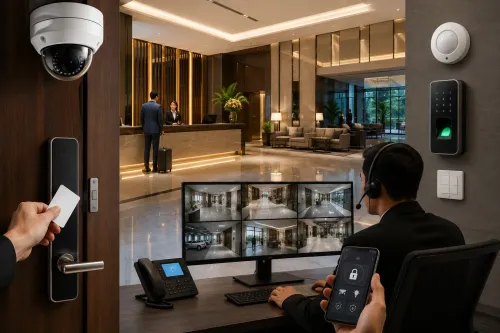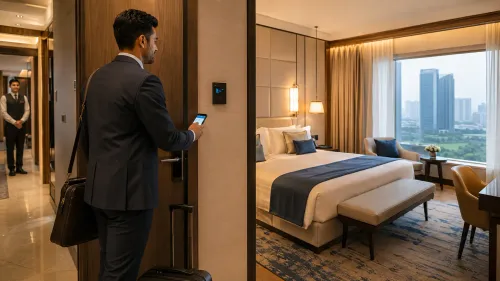

Technology continues to transform the hospitality industry, changing how hotels manage operations and interact with guests. From digital room controls to intelligent energy management, smart hotel technology is becoming an essential part of delivering modern hospitality experiences.
Hotels in Noida are increasingly adopting connected systems to improve efficiency while meeting the expectations of travellers who value convenience, comfort, and seamless digital experiences.
What Makes a Hotel Smart?
A smart hotel uses integrated technologies that communicate with one another through centralized software.
Instead of operating independent systems for lighting, climate, security, and guest services, these technologies work together to create an efficient operating environment.
Guests enjoy greater convenience while hotel teams gain improved operational control.
Intelligent Guest Rooms
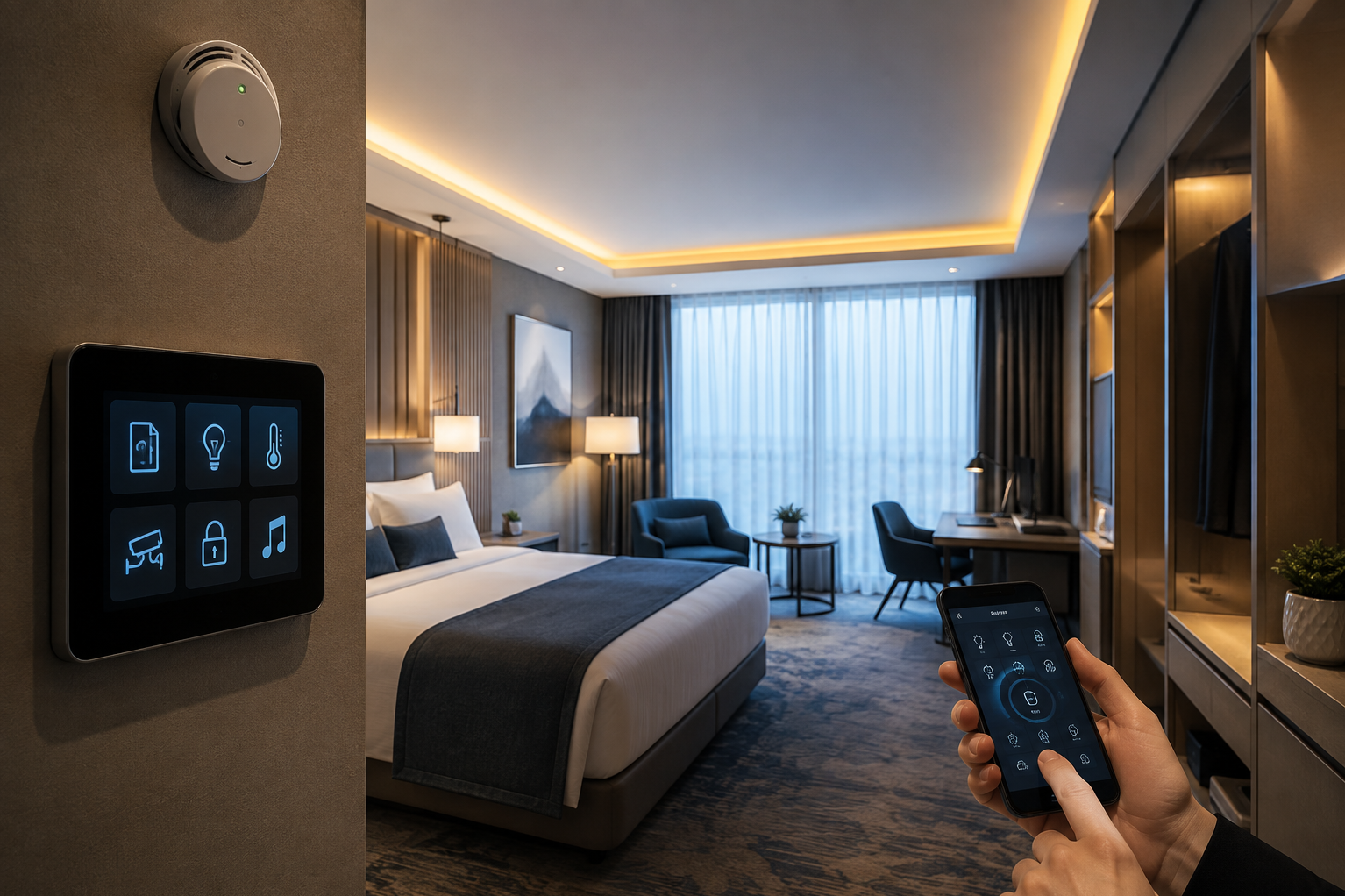
Guest rooms are becoming more responsive to individual preferences.
Modern systems can automatically:
- Adjust lighting scenes
- Maintain preferred room temperatures
- Control curtains
- Activate entertainment systems
- Detect occupancy
Returning guests may even have their preferred room settings restored automatically when supported by the hotel's management system.
Mobile-Based Guest Services
Many hotels now allow guests to complete several activities using their smartphones.
Common features include:
- Digital room keys
- Online check-in
- Express check-out
- Service requests
- Restaurant reservations
- Concierge assistance
Reducing dependence on physical paperwork creates a smoother arrival and departure experience.
Artificial Intelligence in Hospitality
Artificial intelligence is helping hotels improve operational efficiency.
Applications include:
- Chat-based guest assistance
- Predictive maintenance
- Occupancy forecasting
- Automated scheduling
- Personalized recommendations
While human interaction remains essential, AI supports staff by handling routine information requests.
Internet of Things Integration
The Internet of Things connects multiple devices throughout the hotel.
Examples include:
- Occupancy sensors
- Smart thermostats
- Motion-controlled lighting
- Water monitoring sensors
- Air quality monitoring
These connected devices share information continuously, allowing the hotel to respond more quickly to changing conditions.
Energy-Efficient Buildings
Energy efficiency has become a major priority for hospitality businesses.
Smart hotel technology supports sustainability through:
- Automated HVAC control
- Intelligent lighting schedules
- Occupancy-based energy management
- Utility consumption monitoring
- Equipment optimization
Reducing unnecessary energy usage benefits both operating budgets and environmental goals.
Smart Security Systems
Modern security solutions extend beyond surveillance cameras.
Hotels increasingly implement:
- Smart access control
- Digital visitor management
- Remote monitoring
- Emergency notifications
- Integrated alarm systems
These technologies improve both guest safety and operational oversight.
Predictive Maintenance
Traditional maintenance often reacts after equipment fails.
Smart systems instead monitor equipment performance and generate alerts when servicing is needed.
Benefits include:
- Reduced downtime
- Longer equipment life
- Lower repair costs
- Improved guest satisfaction
Preventive maintenance helps avoid unexpected disruptions.
Data-Driven Decision Making
Hotel management benefits from operational dashboards that provide valuable insights.
Managers can analyse:
- Peak occupancy periods
- Room utilization
- Utility consumption
- Guest preferences
- Staff productivity
These insights support continuous improvement across departments.
Technology Should Remain Guest Friendly
Successful hotels use technology to simplify experiences rather than complicate them.
Guests should never feel overwhelmed by complicated controls. Instead, automation should operate quietly in the background while allowing manual control whenever preferred.
Simple, intuitive interfaces often deliver the best results.
Growing Adoption Across Noida
Hotels in Noida continue to modernize as the region attracts business travellers, exhibitions, and corporate events throughout the year. Smart technologies help properties manage higher occupancy levels while maintaining service quality and operational consistency.
Businesses such as Domotics Automation Pvt Ltd support hospitality projects by integrating intelligent automation systems suited to different hotel categories. Selecting scalable platforms that can adapt to future technological developments helps hotels protect their long-term investment while continuing to enhance guest experiences.